Improve Your Concentration with Classical Music
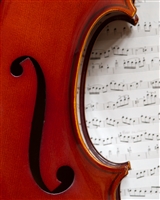
Music can be a powerful tool. It has the ability to soothe stressed minds, to invigorate tired brains, and to improve our focus and concentration. But it's important that we use the right kind of music, or it can be more a distraction than an aid.
Music with words is the most obvious kind of distraction. You're busy working away, and a song comes on where you recognize the lyrics. The next thing you know, you're singing along, with only half your brain on your work. Instrumental music is the safest kind for concentrating, because even a sudden upsurge in tempo or dynamics will be less distracting than lyrics.
The title of this article specifies classical music. This is because classical music, especially Mozart and Bach, is carefully structured. You may not even be aware of them, but there are rhythmic patterns underlying most classical pieces. These patterns help your brain waves to syncopate, and you concentrate better.
However, classical music is not the only music that can help you concentrate. Any music that is instrumental and relaxing, but with an underlying structure, can do the same thing. Much new age music has these underlying structures, laid over with melodies that are musically pleasing.
Why specify relaxing music? Won't that put you to sleep? The answer is no. Music that is pleasant to the ears will reduce your heart rate and lower your stress levels, but (unless you've been awake for 48 hours and desperately need your rest) it won't put you to sleep while your mind is working on something. (Now, just driving home in the car on a warm summer's afternoon might be a different story.) If you're really worried about nodding off while you're supposed to be working, then eschew the easy-listening of new age music for the pomp and (structured!) grandeur of a Beethoven symphony.
Comments (3)
some times this type of music is labeled baroque music,
i worked with children with dylexia on a one to one tutoring sessions and played this type of music while the sesion was going on. and it really helped them progress.
i also used essential oils of basil in an water burner. that also helps sharpen the mind.
chow